
Institutional Initiative · Published by World Drowning Prevention
Safer Thinking, Before Children Enter the Water.
Blue Whale Water Safety helps young children recognise risk, stay calm and make safer decisions around pools, beaches, floods and everyday water, long before they learn to swim.
Global Public Safety Context
A preventable cause of childhood death.
Most water incidents in young children happen before swimming skills are in place. Cognitive preparation is the layer that early childhood prevention has been missing.
Global Incidence / 01
Drowning deaths each year. One of the leading preventable causes of death in young children.
Source · World Health Organization
Critical Age Window / 02
The age range where children can learn to recognise risk before they are physically able to swim.
Source · Early Childhood Research
Cognitive Response / 03
The few seconds in which a calm response can prevent panic from taking over.
Source · Aquatic Safety Studies
Why It Matters
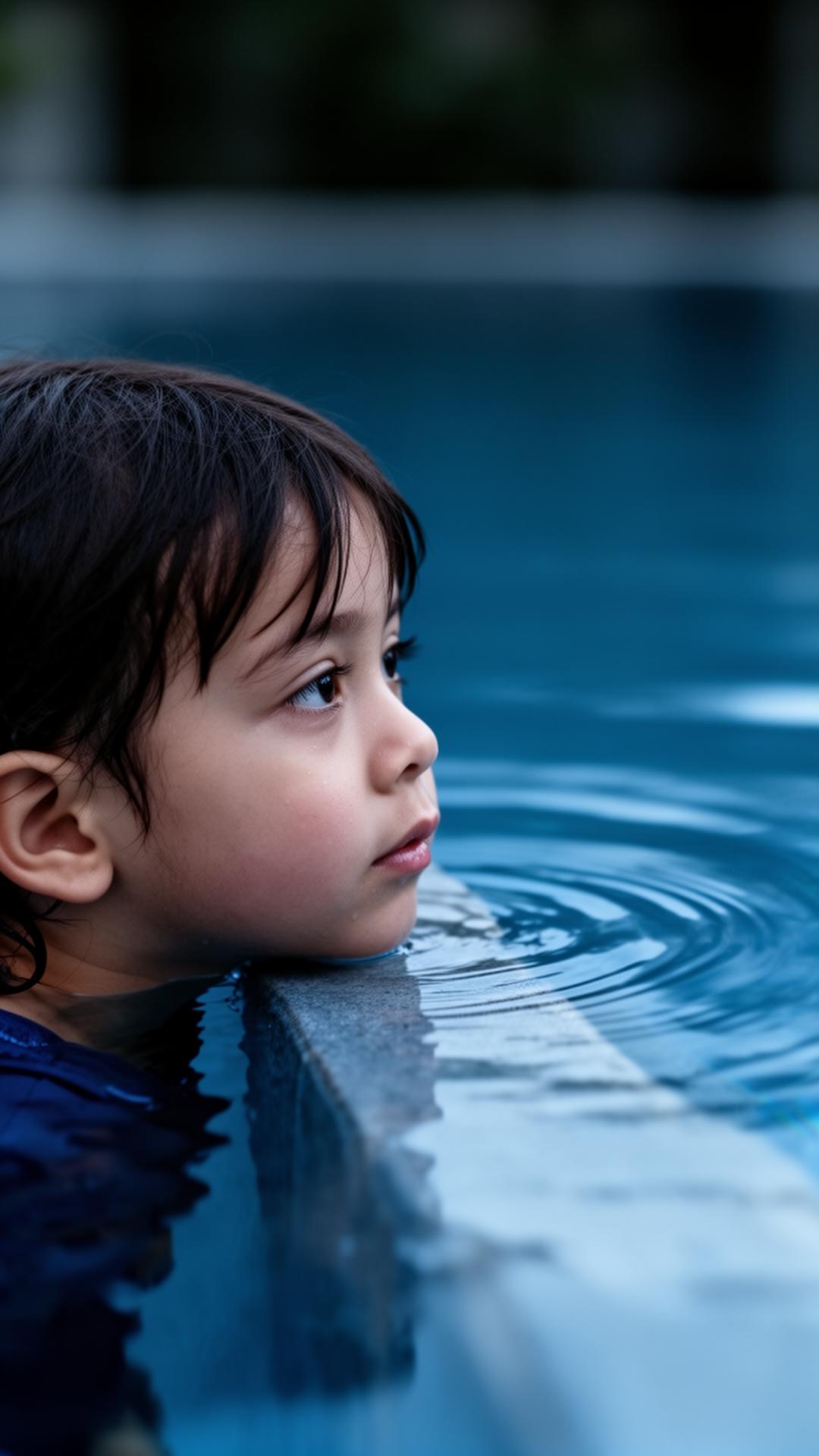
Children panic before they can apply a physical skill.
Blue Whale prepares what physical training alone cannot reach: the pause, the calm, the observation and the safer response.
Stop Movement
Stop moving. Interrupt the panic reflex before it takes hold.
Regulate Breath
Steady the breath. Protect oxygen and clear thinking.
Assess Risk
Look for safe edges, exits, an adult nearby and anything that floats.
Execute Choice
Use the response the child has practised, not the first impulse.
Behavioural Framework · Repeated Exposure Learning
The programme uses repeated exposure, storytelling and caregiver involvement to build safer responses that hold up before children meet unfamiliar water.
Curriculum Architecture
A three-level developmental framework.
Foundation
Awareness · Calm Response
Introduces safer choices, calm response and basic risk awareness in the home and other supervised settings.
Accumulation
Reinforcement · Environmental Transfer
Applies the same response across pools, beaches, floods and unfamiliar water.
Consolidation
Consistency · Real World Transfer
Builds consistency so safer thinking carries into unpredictable, real-world situations.
Implementation Ecosystem
Built for institutional adoption.
Blue Whale is a multilingual, licensable curriculum, ready to integrate across early childhood education, public safety and aquatics networks.

International Schools
Integrates into early years and lower primary curricula.
Public Schools
Term-based modules and training pathways for teachers.
Swim Schools
Cognitive readiness before physical swim instruction begins.
Libraries
Community reading sessions guided by caregivers.
Governments & NGOs
National prevention frameworks and public safety work.
Aquatics Federations
An early childhood safety standard for member organisations.
Global Vision
Built for international implementation.
Blue Whale Water Safety is a long-term educational programme, designed for partnerships with governments, schools, libraries, federations and NGOs across the Asia Pacific, Southeast Asia and beyond.
Years Targeted
Multilingual Ready
Latest News & Media
Programme milestones and field updates.
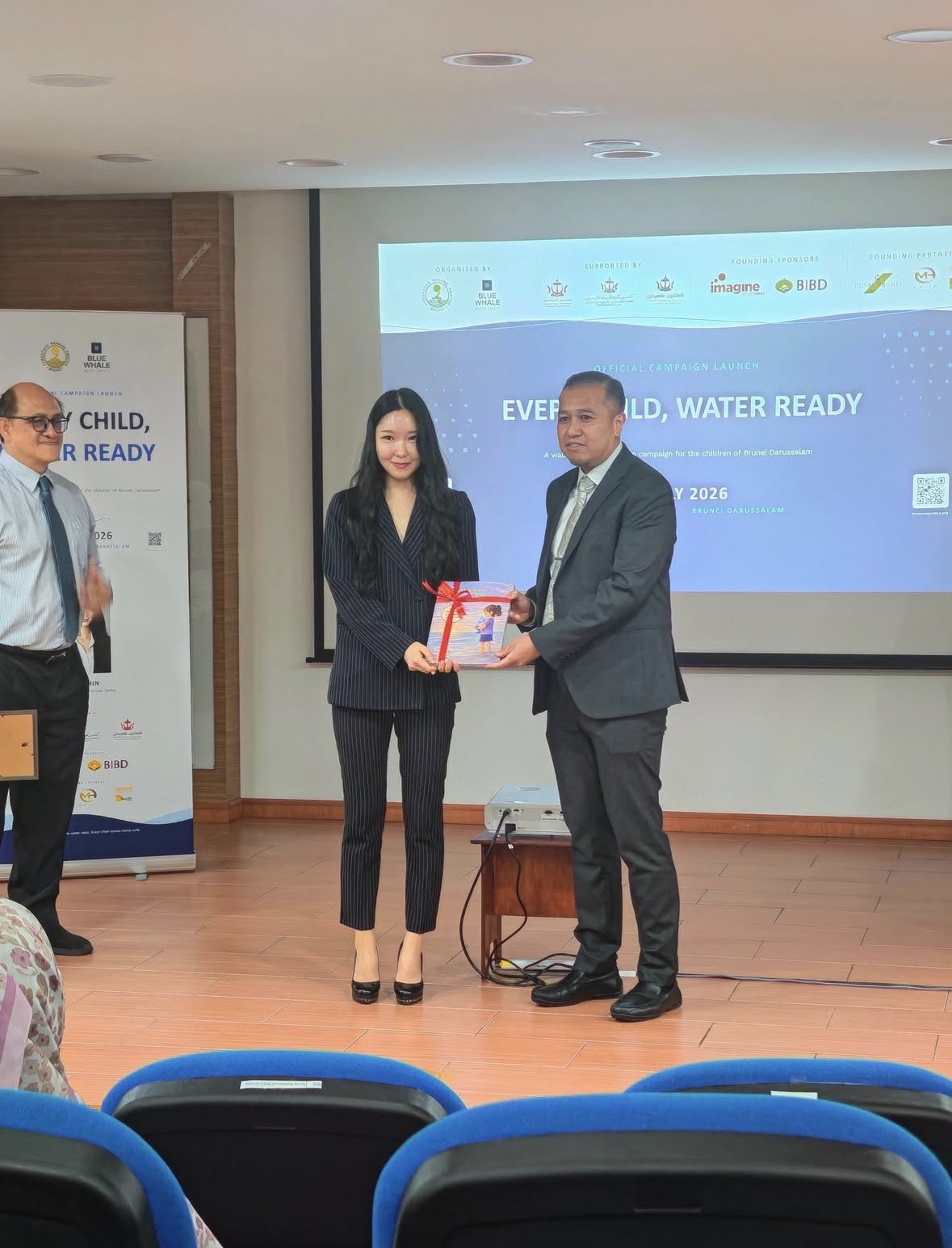
Blue Whale Water Safety Launches in Brunei on World Drowning Prevention Day
Blue Whale Water Safety was introduced in Brunei through a programme launch and teacher-training initiative held in conjunction with World Drowning Prevention Day. The initiative engaged educators from 13 schools and brought together representatives and stakeholders from the education, health, youth, sports and community sectors.
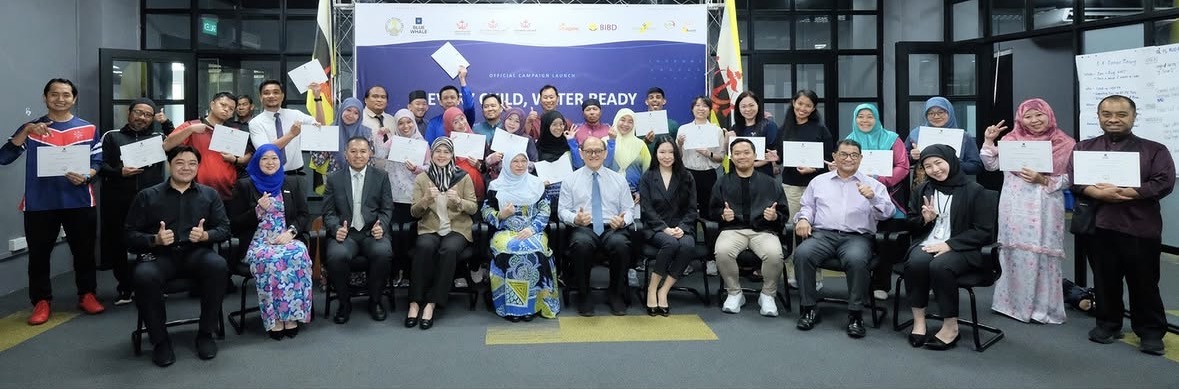
Teacher Training Completed with Educators from 13 Brunei Schools
Educators participated in a two-day professional development programme focused on delivering classroom-based water safety education for children aged 3–8.

Institutional Engagement
A shared standard for early childhood water safety.
For schools, governments, NGOs, aquatics federations, libraries and licensing partners working on early childhood prevention.